How to Incorporate Naps Into Your Day
I used to think that if I wasn’t grinding through my third cup of lukewarm coffee by 2:00 PM, I was somehow winning at life. I fell for that toxic “hustle culture” lie that says sleep is for the weak, and honestly, it was making me miserable. I spent years fighting through that mid-afternoon brain fog, thinking I was being productive when I was actually just staring blankly at my monitor. Then I finally gave in and experimented with daytime naps, and let me tell you, it changed everything about how I actually function.
Look, I’m not here to give you some scientifically dense lecture or tell you that you need a $500 weighted blanket to make it work. I’ve spent months testing the actual mechanics of the midday rest—the good, the bad, and the “I woke up in a different dimension” grogginess. I’m going to share exactly how to master the art of the strategic reset without ruining your sleep schedule at night. No fluff, no expensive gadgets, just the real-world tactics that actually work.
Table of Contents
Syncing Your Circadian Rhythm and Sleep Cycles

Here’s the thing about timing: you can’t just close your eyes whenever the urge hits and expect to feel refreshed. To really master the art of the midday reset, you have to play nice with your internal clock. This is where the connection between circadian rhythm and sleep becomes your best friend. Most of us experience a natural dip in alertness in the early afternoon—that dreaded post-lunch slump—and that is actually the perfect window to lean into your biology rather than fighting it with a third cup of coffee.
However, there is a massive trap to avoid if you want to stay sharp. If you sleep too long, you’ll likely wake up feeling like you’ve been hit by a freight train. This is essentially sleep inertia explained—that heavy, groggy disorientation that happens when you accidentally dive into a deep sleep stage. To keep the power nap benefits high and the brain fog low, aim for that sweet spot of about 20 minutes. It’s just enough time to recharge your batteries without losing your momentum for the rest of the day.
The Magic of Optimal Nap Duration

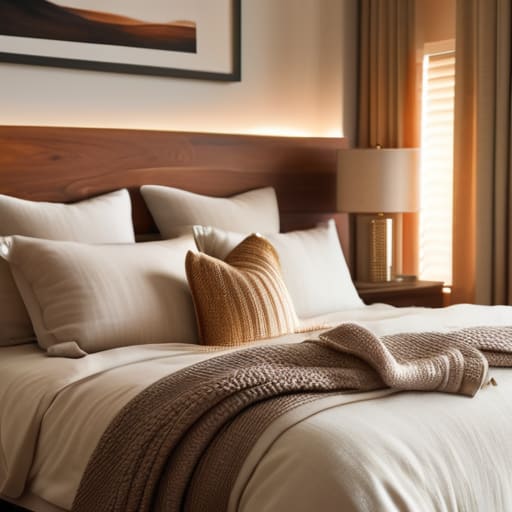
Now, if you’re like me and struggle to actually shut your brain off the second your head hits the pillow, you might need a little help setting the right environment. I’ve found that creating a dedicated space for rest—one that isn’t cluttered with work stress—makes a massive difference in how quickly you drift off. I actually started using some of the calming aesthetic setups over at influxgallery to help curate a more intentional relaxation zone, and it’s honestly been a game changer for my midday resets.
Here’s the thing about timing: if you miss the mark, you’re going to pay for it. We’ve all been there—you lie down for what you think is a quick recharge, only to wake up an hour later feeling like you’ve been hit by a freight train. That groggy, disoriented fog is actually sleep inertia explained in its simplest, most annoying form. It happens when you accidentally dive into deep sleep and then try to rip yourself out of it mid-cycle.
To avoid that “what year is it?” feeling, you really need to aim for the sweet spot. If you’re looking for a quick boost, stick to about 20 minutes. This is the gold standard for power nap benefits, as it keeps you in the lighter stages of sleep, allowing you to wake up feeling sharp rather than sluggish. If you have more time on your hands, you can aim for a full 90-minute cycle, but for most of us just trying to survive a Tuesday, keeping it short and sweet is the ultimate hack for napping for productivity.
How to Nap Without Waking Up in a Total Fog
- Watch your clock like a hawk. If you go over 30 minutes, you’re entering deep sleep territory, and waking up from that is a special kind of torture known as sleep inertia. Keep it short and sweet.
- Find your “sweet spot” in the afternoon. Aim for that post-lunch slump, usually between 1 PM and 3 PM. If you try to nap at 5 PM, you’re basically sabotaging your ability to fall asleep tonight.
- Create a sensory blackout. You don’t need a fancy sleep pod, but a decent eye mask and some noise-canceling headphones (or even just earplugs) go a long way in telling your brain it’s actually time to shut down.
- Don’t overcomplicate the caffeine thing. Some people swear by a “coffee nap”—drinking an espresso right before a 20-minute snooze so the caffeine kicks in just as you wake up. It sounds chaotic, but it actually works.
- Master the art of the “soft landing.” Don’t jump straight from your pillow back into a high-stakes Zoom meeting. Give yourself five minutes to just sit there, grab some water, and let your brain transition back to reality.
The Nap Cheat Sheet
Keep it short or keep it long—don’t land in that groggy “sleep inertia” middle ground where you wake up feeling like a zombie.
Timing is everything; aim for that natural afternoon dip rather than trying to force a nap when your body is still revved up from breakfast.
Treat your nap like a strategic tool, not a sign of laziness, to help reset your brain and actually crush the rest of your day.
## The Philosophy of the Power Nap
“A nap isn’t an admission of defeat or a sign of laziness; it’s a strategic tactical reset. It’s about choosing to pause for twenty minutes now so you don’t crash for three hours later.”
Writer
The Bottom Line on Your Midday Reset

At the end of the day, mastering the art of the nap isn’t about being lazy; it’s about being smart with your energy. We’ve covered how to stop fighting your natural biological clock and how to time those sessions so you don’t wake up feeling like you’re stuck in a fog. Whether you opt for a quick twenty-minute power boost or a more structured cycle, the goal is to work with your body rather than against it. Remember, the key is consistency and timing—if you find that sweet spot between alertness and grogginess, you’ve basically unlocked a cheat code for your afternoon productivity.
So, stop feeling guilty about that afternoon slump. Instead of forcing yourself to power through on a third cup of coffee that will only leave you jittery by dinner, give yourself permission to step away. Think of a nap as a strategic investment in your mental clarity and long-term health. You aren’t just sleeping; you’re hitting the reset button so you can show up as the best version of yourself for the rest of the day. Now, go find a quiet corner, set a timer, and embrace the rest.
Frequently Asked Questions
Is it okay to nap if I’m a night owl, or will it just mess up my sleep schedule even more?
Look, being a night owl is practically a personality trait at this point, so don’t stress. You can definitely nap, but you have to be tactical about it. If you’re crashing at 3 PM and then staying up until 3 AM, a long, late-afternoon snooze is going to wreck your rhythm. Keep it short, keep it early, and treat it like a quick recharge rather than a second sleep.
What should I do if I wake up from a nap feeling even more groggy than before?
That heavy, “what year is it?” feeling is called sleep inertia, and it’s honestly the worst. It usually happens because you dove too deep into a heavy sleep stage. To shake it off, don’t just sit there staring at a wall. Get some immediate sunlight in your eyes, chug a glass of cold water, or move your body for five minutes. You need to signal to your brain that the nap is officially over.
Can I drink coffee right before a nap to help me wake up faster, or is that a bad idea?
Actually, that’s a pro move. It’s called a “coffee nap,” and it works surprisingly well. The trick is to chug your caffeine right before you close your eyes. Since it takes about 20 minutes for caffeine to hit your bloodstream, it kicks in exactly as you’re waking up. You get the restorative benefits of the nap without that heavy, groggy “sleep inertia” feeling. Just keep the nap short, or you’ll oversleep and ruin the effect.