Small Home, Bigger Life: Changes That Actually Work
I remember standing in the middle of my first studio apartment, staring at a stack of cardboard boxes that felt like they were actively closing in on me. The air felt heavy, the walls felt too close, and I was convinced that the only solution was to move to a house with a yard. I spent months scrolling through those polished, unrealistic interior design blogs that suggested I needed to gut my kitchen or spend thousands on “space-saving” gadgets that were basically just expensive plastic junk. But here’s the truth: you don’t need a massive renovation or a designer’s budget to master how to make a small home feel bigger.
I’m not here to sell you on some magic trick or a lifestyle you can’t afford. Instead, I want to share the unfiltered, battle-tested methods I actually used to turn that cramped shoebox into a place that finally felt like it could breathe. We’re going to skip the fluff and the expensive nonsense. I’m going to show you how to use light, layout, and a little bit of psychological trickery to reclaim your space without breaking the bank.
Table of Contents
Mastering Neutral Color Palettes for Small Spaces
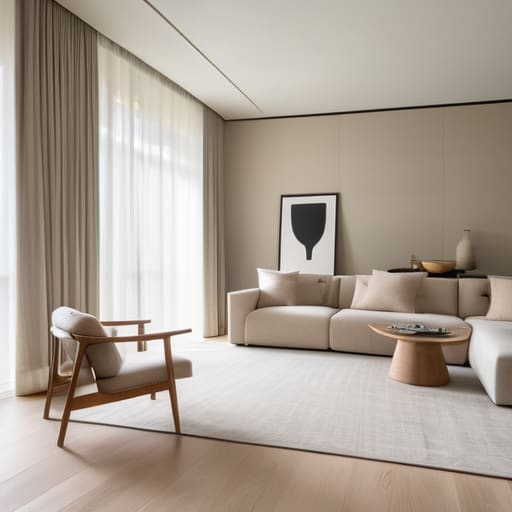
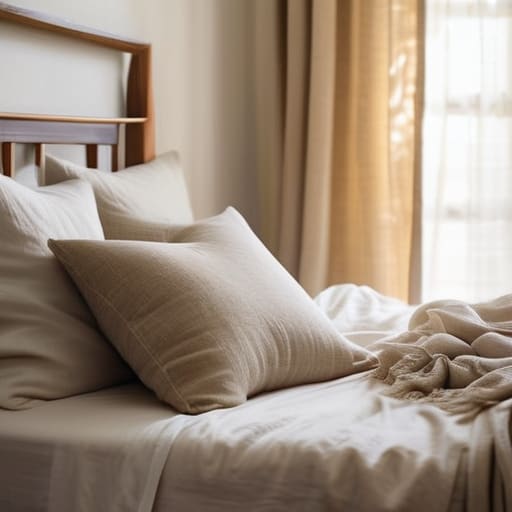
It’s a common mistake to think that a small room needs to be stark white to feel airy. While a bright canvas helps, the real secret lies in how you layer your tones. Instead of jumping straight to a hospital-grade white, try leaning into creamy off-whites, soft greys, or even very pale sands. The goal is to create a seamless flow where the walls seem to melt into the floor and ceiling. By sticking to neutral color palettes for small spaces, you eliminate the visual “stops” that happen when high-contrast colors clash, allowing the eye to glide across the room without interruption.
To really push this effect, you need to think about how your colors interact with your windows. If you have even a sliver of sunlight, choosing light, reflective shades is the best way to start maximizing natural light. When the light bounces off a soft, neutral wall rather than getting swallowed by a dark navy or forest green, the entire room feels like it’s breathing. It’s not about making the space look empty; it’s about making it look intentional and expansive.
Maximizing Natural Light to Dissolve Boundaries
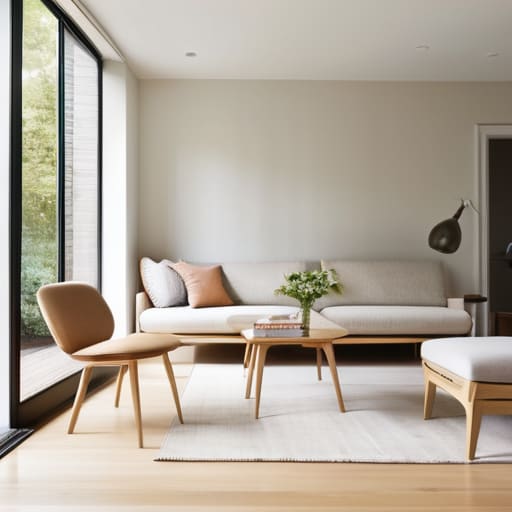
Once you’ve nailed the lighting and the colors, it’s time to tackle the actual physical footprint of your furniture. The biggest mistake I see people make is buying pieces that are simply too heavy or bulky for the room, which ends up swallowing all your floor space. Instead, try to look for items with slim profiles or legs that lift the piece off the ground, allowing your eye to travel underneath. If you’re feeling a bit overwhelmed by all the different dimensions and styles out there, I’ve found that browsing through activeoptions is a great way to scout for pieces that balance functionality with a lighter, more airy aesthetic.
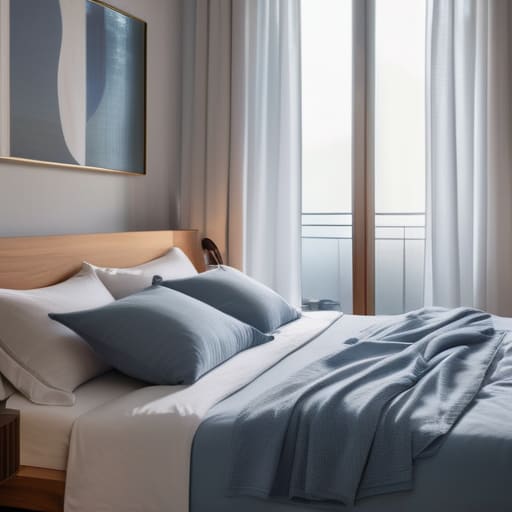
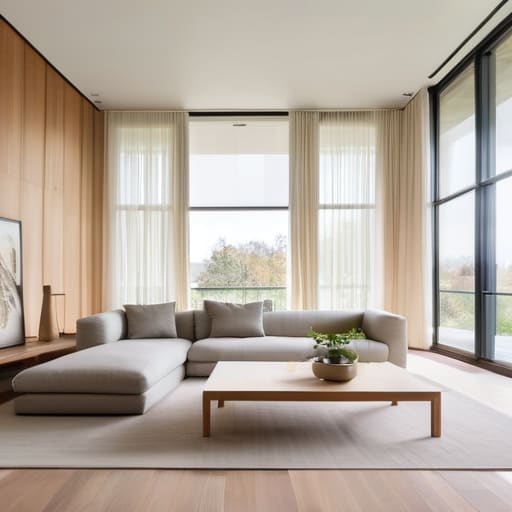
If you want to trick your brain into thinking your walls are further away than they actually are, you have to stop fighting the shadows. Darkness is the enemy of space; it creates heavy corners that make a room feel like it’s closing in on you. The secret is maximizing natural light by stripping away anything that stands in its way. Ditch those heavy, velvet drapes that swallow the sun and swap them for sheer linens or light-filtering blinds. You want the light to dance across the floor, not get trapped in thick fabric.
Once that sunlight is actually flowing, you need to give it somewhere to go. This is where you lean into the magic of mirrors for small rooms. Don’t just hang a tiny mirror in the hallway; find a large, statement piece and place it directly opposite your primary window. It acts like a second portal, bouncing brightness into the dimmest corners and effectively dissolving the boundaries of your room. It’s a simple optical illusion, but it’s the most effective way to make a cramped apartment feel like it finally has room to breathe.
The Clever Hacks That Actually Move the Needle
- Stop buying massive, heavy furniture that eats up floor space; instead, opt for pieces with “legs” that show more of the floor underneath.
- Use mirrors like they’re magic—place a large one directly opposite a window to trick your eyes into thinking there’s another room beyond the glass.
- Go vertical with your storage. If you can’t expand outward, build upward with floating shelves to keep the floor clear and the sightlines open.
- Ditch the heavy, floor-length drapes for something lighter and more translucent; you want the fabric to dance in the breeze, not block the view.
- Create “zones” with rugs rather than physical dividers. It defines the space without making it feel like you’re living in a series of tiny boxes.
The Cheat Sheet for a Spacious Home
Stop fighting the walls and start playing with perception—use light colors and mirrors to trick your eyes into seeing depth where there isn’t any.
Less is almost always more; if a piece of furniture doesn’t serve a purpose or provide breathing room, it’s just taking up valuable mental and physical space.
Think vertically to reclaim your floor—getting things off the ground and onto the walls is the quickest way to stop that “cramped” feeling.
The Psychology of Space
“A small home isn’t a limitation; it’s a puzzle. You aren’t just trying to fit more furniture into a room—you’re trying to trick your brain into forgetting the walls are even there.”
Writer
The Big Picture in a Small Space
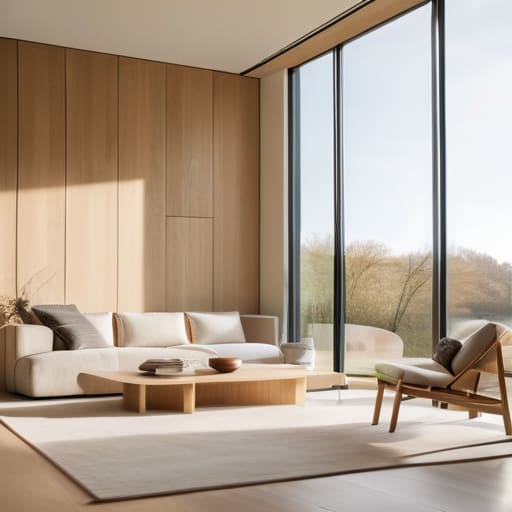
At the end of the day, making a small home feel expansive isn’t about buying more stuff or moving to a bigger zip code; it’s about how you manipulate what you already have. We’ve talked about how a strategic color palette can trick the eye into seeing more depth, and how letting the sunlight pour in can effectively dissolve those cramped, heavy boundaries. By focusing on light, color, and the intentional placement of your belongings, you stop fighting against your square footage and start working with it. It is all about creating a sense of flow rather than just filling a room.
Remember, your home should be a sanctuary, not a storage unit that makes you feel boxed in. A small footprint doesn’t mean a small life; it just means you have to be a little more intentional with your choices. Once you master these little illusions, you’ll realize that space is often more of a mindset than a measurement. Stop looking at the walls and start looking at the potential. You don’t need more room to live large—you just need to know how to make the room you have work harder for you.
Frequently Asked Questions
How do I pick furniture that doesn't make the room look swallowed up?
Stop buying massive, chunky furniture that eats your floor space for breakfast. The secret? Go for “leggy” pieces. If you can see the floor extending underneath a sofa or a sideboard, your brain perceives the room as larger. Avoid heavy, skirted furniture that acts like a visual wall. Instead, opt for slim profiles and glass or acrylic accents—they provide function without the visual weight, letting the room actually breathe.
Can I actually use dark colors without making the space feel like a cave?
Absolutely. In fact, going dark can actually add incredible depth to a room, making the walls feel like they’re receding rather than closing in. The trick is all about contrast and lighting. If you go with a moody navy or charcoal, pair it with bright accents or layered lighting—think floor lamps and sconces—to create dimension. It’s not about avoiding shadows; it’s about using them to create a sense of luxury instead of gloom.
What are some ways to hide all the random clutter that makes a small room feel messy?
The secret isn’t just cleaning; it’s about hiding the visual noise. If you don’t have built-in storage, go for “hidden” furniture—think ottomans that double as trunks or beds with deep drawers underneath. I’m a huge fan of closed cabinetry over open shelving; open shelves often just become more tiny museums for your junk. If you can’t hide it, corral it into uniform, pretty baskets. It turns chaos into a design choice.