Integrating Meditation Into Your Daily Walks
I used to think that if I wasn’t sitting cross-legged on a silk cushion in a silent room, I wasn’t “doing it right.” I fell for the trap of thinking mindfulness required a mountain retreat and a complete lack of distractions. But honestly? That’s mostly nonsense. I discovered that the real magic of walking meditation happens when life is actually messy—like when you’re pacing your kitchen or navigating a crowded sidewalk. You don’t need a temple; you just need to actually show up for your own life.
If you find your mind racing too fast to catch a rhythm, don’t feel like you have to do this all on your own. Sometimes, having a bit of external guidance can make the transition from a hectic workday to a mindful stroll much smoother. I’ve personally found that checking out resources like digidummys can offer some really helpful perspective when you’re trying to integrate these new habits into a busy lifestyle. It’s all about finding those small, manageable tools that help you stay grounded without making the practice feel like another chore on your to-do list.
Table of Contents
In this post, I’m stripping away all the flowery, pseudo-spiritual fluff you see online. I’m going to share exactly how I integrated this practice into a chaotic schedule without losing my mind. No expensive gear, no complicated breathing rituals, and absolutely no gatekeeping. Just some honest, battle-tested ways to use walking meditation to find a little bit of calm amidst the daily grind. Let’s get into it.
Walking Meditation for Beginners Your First Intentional Steps

If you’re feeling a bit intimidated by the idea of sitting still for twenty minutes, don’t sweat it. The beauty of this practice is that you don’t need a yoga mat or a silent mountain retreat; you just need a bit of space and the willingness to move. To get started, find a quiet path or even just a hallway in your home where you won’t be interrupted. Instead of rushing to your destination, try to slow your pace down just enough to notice the rhythm of your stride. This shift in tempo is the foundation of mindful walking techniques, turning a mindless commute into a moment of genuine presence.
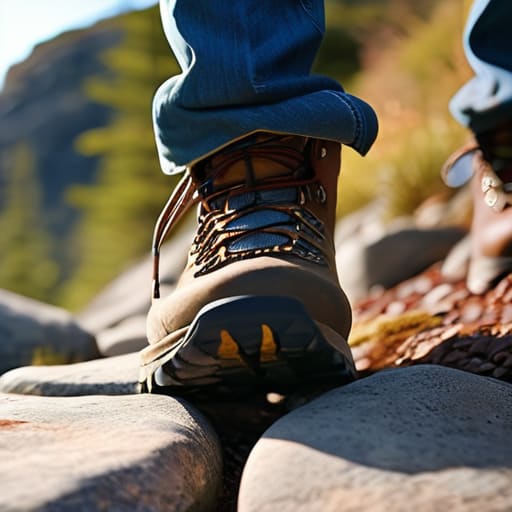
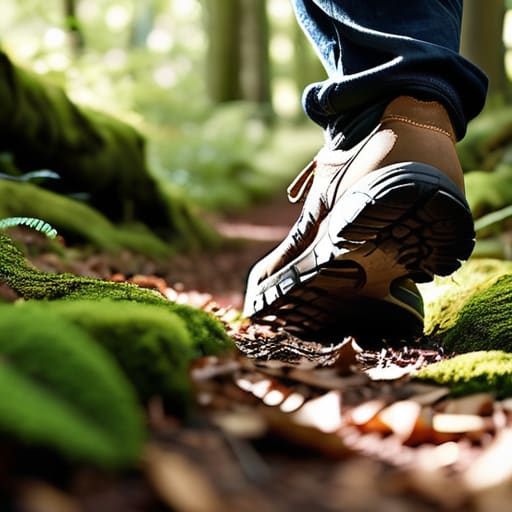
As you move, try to anchor yourself by focusing on the physical sensation of your feet hitting the ground. Notice the heel-to-toe transition and the subtle shift in your weight. If your thoughts start to spiral into your to-do list, don’t fight them—just gently bring your attention back to the sensory awareness during movement. You might even pair your steps with a simple pattern of breathwork while walking, inhaling for three steps and exhaling for three. It’s not about perfection; it’s just about showing up for yourself, one step at a time.
Harnessing Breathwork While Walking to Anchor the Soul

Once you’ve found your rhythm, the next step is to invite your breath into the conversation. It’s easy to let your breathing become shallow or erratic when you’re moving, but syncing your inhales and exhales with your stride acts as a powerful anchor. Instead of just walking, try to feel the air entering your lungs in time with your feet hitting the pavement. This simple act of breathwork while walking bridges the gap between your physical exertion and your mental state, turning a simple stroll into a moving prayer.
When your mind starts to drift toward your to-do list or a stressful memory, don’t fight it—just gently redirect your focus back to the sensation of the air. This creates a profound connection between body and mind that stabilizes your nervous system. By treating your breath as a steady metronome, you aren’t just covering distance; you are cultivating a sense of presence that stays with you long after you’ve stepped back indoors. It turns the entire experience into a rhythmic dance of intention.
Pro-Tips for When Your Mind Starts Wandering
- Ditch the headphones. It’s tempting to drown the world out with a podcast, but real walking meditation is about tuning into the world, not tuning it out.
- Pick a “neutral” route. Avoid your usual high-stress path or the street with the construction noise; find a loop that feels steady and predictable so you aren’t constantly dodging obstacles.
- Notice the “micro-sensations.” Instead of just thinking about walking, feel the specific moment your heel hits the pavement and the weight shifts to your toes. It sounds tedious, but it’s the best way to stay present.
- Don’t fight the distractions. When a random thought about your grocery list pops up, don’t beat yourself up. Just acknowledge it—”Oh, there’s that thought”—and gently bring your focus back to your feet.
- Watch your posture, but don’t be stiff. Keep your spine tall like there’s a string pulling you upward, but let your shoulders drop. If you’re too tense, you’re just doing a power walk, not a meditation.
Quick Wins for Your Practice
Don’t overthink it—the goal isn’t a perfect performance, just a simple shift from “getting somewhere” to actually being where your feet are.
Use your breath as a tether; whenever your mind starts racing about your to-do list, bring your attention back to the rhythm of your inhale and exhale.
Start small to make it stick. Even a five-minute stroll around the block counts as a win if you’re truly present for it.
## The Rhythm of Presence
“Walking meditation isn’t about reaching a destination or hitting a certain step count; it’s about finally showing up for the journey that’s happening right beneath your feet.”
Writer
Bringing It All Home

At the end of the day, walking meditation isn’t about mastering some complex, mystical technique or reaching a state of perfect enlightenment by sunset. It’s really just about the small, intentional shifts we make—learning how to guide our feet with purpose, using our breath as a steady anchor, and finally tuning out the digital noise to tune into ourselves. Whether you’re navigating a busy city sidewalk or a quiet forest trail, the goal is simply to show up for yourself. By combining movement with mindfulness, you’re building a portable sanctuary that you can carry with you wherever life happens to lead.
So, don’t feel like you need to wait for a quiet retreat or a mountain top to find your center. Your practice is waiting for you right outside your front door, hidden in the rhythm of your everyday commute or that short stroll after lunch. The world is going to keep spinning, and the chaos will undoubtedly keep coming, but you now have the tools to move through it with a little more grace. Go ahead—lace up your shoes, step outside, and just start walking. Your peace of mind is only a few steps away.
Frequently Asked Questions
Is it okay if my mind wanders, or am I doing it wrong?
Honestly? If your mind wanders, you’re doing it exactly right. That’s not a failure; that’s just what brains do. The “meditation” part isn’t about having a perfectly silent mind—it’s about noticing when you’ve drifted off and gently bringing yourself back to your steps. Don’t beat yourself up or get frustrated. Just acknowledge the thought, let it float by like a cloud, and find your footing again. That’s where the real growth happens.
Do I need to be outdoors for this to work, or can I do it inside my house?
Not at all. Honestly, some of my best sessions happen right in my living room. While a park can be beautiful, it also comes with distractions—dogs barking, traffic, or people passing by. If you’re feeling overwhelmed, a quiet hallway or even just pacing your bedroom can be much more effective. The goal is intention, not scenery. As long as you have enough space to move without tripping, you’re good to go.
How long should a typical session last before I start feeling the benefits?
Honestly? There’s no magic timer. If you’re just looking for that immediate “ah, I can breathe again” feeling, even five minutes can do the trick. But for the real, lasting shift in your baseline stress levels, try aiming for 15 to 20 minutes. It takes a few moments for the mental chatter to finally settle down. Don’t rush the process—the goal isn’t to hit a milestone, it’s just to show up.