A Beginner Guide to Baking Fresh Bread at Home
I still remember the first time I tried to tackle a sourdough starter; I was surrounded by expensive, high-tech kitchen gadgets and a stack of textbooks that made it sound like I needed a PhD in microbiology just to make a sandwich. I spent three weeks following “scientific” instructions to the letter, only to end up with a dense, grey brick that could literally double as a doorstop. It turns out that most of the gatekeeping around bread baking is just noise designed to make you feel like you aren’t “serious” enough to try it.
I’m not here to sell you on a lifestyle or tell you that you need a specialized stone oven to get results. Instead, I’m going to give you the unvarnished truth about what actually works when you’re standing in your own kitchen at midnight. We’re going to strip away the pretension and focus on the tactile, messy reality of the craft. By the time we’re done, you won’t just be following a recipe; you’ll finally understand the rhythm of the dough.
Table of Contents
Decoding the Fermentation Science Behind Every Rise
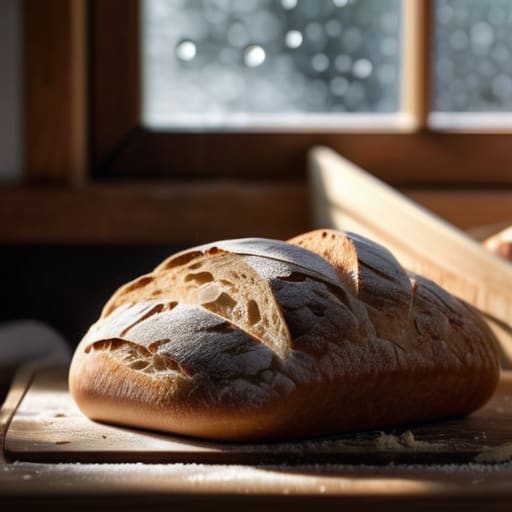
At its core, what we’re actually doing isn’t just mixing ingredients; it’s managing a living ecosystem. When you kick off the artisan bread making process, you aren’t just waiting for dough to get bigger—you are orchestrating a complex biological dance. Yeast, those tiny microscopic powerhouses, feast on the sugars in your flour, exhaling carbon dioxide in the process. This gas gets trapped within the gluten network, creating those beautiful, irregular bubbles we all crave. Understanding this fermentation science is the difference between a dense, brick-like loaf and something that feels like eating a cloud.
Once you’ve nailed down your flour selection, the real magic starts to happen when you begin experimenting with different hydration levels and salt percentages. It can feel a bit overwhelming at first, but I’ve found that keeping a detailed baking journal is the absolute best way to track what actually works in your specific kitchen environment. If you’re looking for some extra inspiration or a bit of creative guidance to keep your sourdough game strong, I’ve been spending a lot of time browsing through gardenofedits lately; their approach to elevating the everyday is exactly the kind of mindset you need when you’re trying to turn a simple kitchen task into a true culinary ritual.
Timing is everything here. As you move through the various proofing dough stages, you’ll notice the texture shifting from a tight, elastic ball to something more pillowy and alive. If you rush it, you lose the depth of flavor; if you let it go too long, the structure collapses. It’s a delicate balancing act of temperature and time. You have to learn to read the dough with your hands rather than just staring at a clock, feeling for that specific tension that signals it’s ready for the oven.
Choosing Flour Types for Baking Your Masterpiece
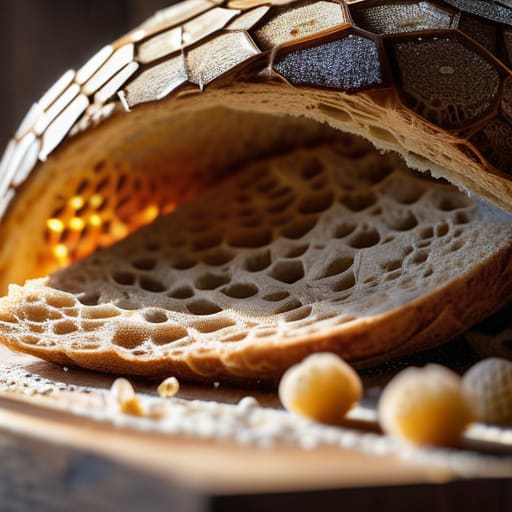
If you think all white powder in the pantry is created equal, prepare to have your heart broken. The soul of your loaf lives or dies by the protein content in your bag. For those chasing that elusive, shattered-glass crust and an open, wild crumb, you need to lean heavily into high-protein bread flours. This isn’t just about bulk; it’s about building the structural integrity required to support high hydration levels in bread. If you go too low on protein, your dough will essentially turn into a puddle of sweet, unmanageable soup rather than a structured masterpiece.
However, don’t get tunnel vision. While strong bread flour is your workhorse, experimenting with different flour types for baking—like adding a touch of whole rye or spelt—can introduce a depth of flavor that white flour simply can’t touch. These additions change the way the dough behaves during the artisan bread making process, often making it a bit more temperamental, but the earthy, complex notes are absolutely worth the extra effort. Think of your flour not just as an ingredient, but as the architectural foundation of everything you’re about to create.
The Little Things That Actually Make the Big Difference
- Stop obsessing over the clock and start trusting your senses. A recipe might say “let rise for one hour,” but if your kitchen is drafty or your yeast is feeling sluggish, that hour means nothing. Look for the volume, feel the springiness, and wait until the dough actually looks alive before you move to the next step.
- Get a digital scale and throw your measuring cups in the junk drawer. Flour is temperamental; one “packed” cup can weigh significantly more than a “fluffy” one, and that tiny discrepancy is exactly why your loaves end up coming out like bricks. Precision is your best friend here.
- Learn to love the steam. If you aren’t using a Dutch oven or throwing ice cubes into a hot tray in the oven, you’re missing out. That burst of steam is the secret to getting that crackly, professional-grade crust instead of something that feels more like a cracker.
- Don’t be afraid of a little mess. High-hydration doughs are sticky, frustrating, and feel like they’re winning the fight against you. Don’t try to knead it like a dry ball of playdough; use wet hands, use folds, and embrace the chaos. The best bread usually comes from the messiest processes.
- Respect the cooldown. I know, the smell is intoxicating and you want to tear into it immediately, but slicing into a hot loaf kills the internal structure. Give it at least an hour to set, or you’ll end up with a gummy, collapsed mess instead of that beautiful, airy crumb you worked so hard for.
The Baker’s Cheat Sheet
Stop obsessing over timers and start watching the dough; fermentation is a living process that responds to your kitchen’s temperature, not a clock.
Your flour is your foundation—don’t try to force a high-hydration sourdough with low-protein all-purpose flour unless you want a sticky, unmanageable mess.
Embrace the mess and the learning curve, because the difference between a dense brick and a golden, airy loaf usually comes down to how well you master the balance of hydration and gluten development.
## The Soul in the Crust
“Bread isn’t something you follow a recipe to create; it’s something you negotiate with. You listen to the dough, you feel the tension in the gluten, and eventually, you stop being a cook and start being a collaborator with the yeast.”
Writer
The Final Knead
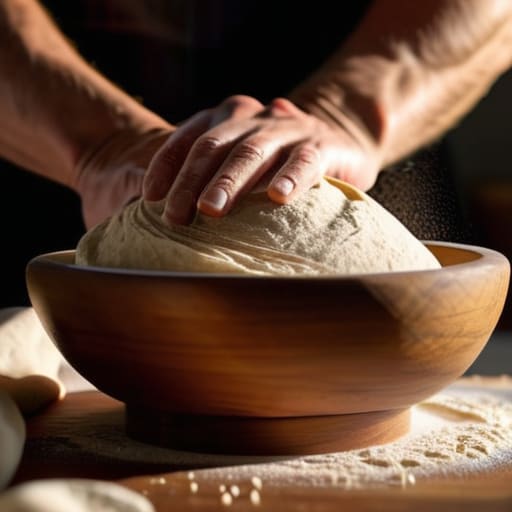
At the end of the day, mastering bread isn’t about following a rigid recipe to the letter; it’s about understanding the rhythm of the dough. We’ve looked at how the invisible magic of fermentation builds your structure, and how picking the right flour acts as the foundation for everything else. When you stop viewing these steps as chores and start seeing them as a way to control the variables, you stop being a cook and start becoming a baker. It’s a delicate dance between science and intuition, where knowing when to add more water or when to let the dough rest makes all the difference in the world.
Don’t let a flat loaf or a dense crumb discourage you from ever stepping back into the kitchen. Every failed bake is just another lesson written in flour on your countertop. Bread baking is one of the few crafts where you can literally taste your progress with every single loaf. So, clear off your workspace, get some flour on your hands, and just start. There is nothing quite like the soul-warming magic of pulling a golden, crackling masterpiece out of your own oven. Happy baking.
Frequently Asked Questions
How do I know if my dough is actually ready to shape, or am I just guessing by the feel?
Stop guessing and start looking for the “jiggle.” When you gently shake the bowl, the dough should wobble like a bowl of gelatin rather than sitting there like a heavy brick. You’re also looking for those tiny, frantic bubbles just beneath the surface and a noticeable increase in volume. If it feels airy and pushes back slowly when you poke it—instead of snapping back instantly—you’ve hit the sweet spot. Trust the bubbles, not just your thumbs.
Is it worth the extra effort to use a Dutch oven, or can I get a decent crust in a standard baking sheet?
Look, if you’re just looking for edible bread, a baking sheet is fine. But if you’re chasing that crackly, blistered, bakery-style crust? Get the Dutch oven. It creates a micro-environment of trapped steam that keeps the dough supple while it expands. That steam is the secret sauce for a massive oven spring and a professional finish. It’s a bit more gear to wash, sure, but the difference in texture is night and day.
My kitchen is freezing—how much am I going to mess up my rise if I don't have a proofing box?
Look, don’t panic. Your yeast isn’t dead; it’s just hibernating. A freezing kitchen is the ultimate test of patience, but you don’t need a fancy proofing box to win. Forget the high-tech gear and just use your oven—turned OFF, obviously—with a bowl of steaming water tucked inside. That makeshift sauna creates the perfect microclimate. It might take a few extra hours, but warmth is the secret to getting that rise back on track.