How to Maintain and Clean Wooden Cutting Boards
I still remember the look of pure horror on my face when I saw a “professional” cleaning guide suggesting I soak my favorite heirloom cutting board in a sink full of soapy water. Seriously? If you follow that kind of nonsense, you aren’t maintaining your kitchen tools; you’re basically inviting rot to move in. Most of the advice you find online about cleaning wooden boards is either way too expensive or involves chemicals that have no business being near your food. It’s frustrating how people turn a simple task into this high-stakes, complicated science project when it really shouldn’t be.
Look, I’m not here to sell you a $40 specialized “wood elixir” or tell you to buy a dozen different gadgets. I’ve spent years making mistakes—and fixing them—so you don’t have to. I’m going to give you the straight truth on cleaning wooden boards using stuff you probably already have in your pantry. We’re going to focus on practical, real-world methods that actually work to keep your wood looking beautiful and, more importantly, safe to use.
Table of Contents
Mastering Safe Sanitizing Solutions for Wood
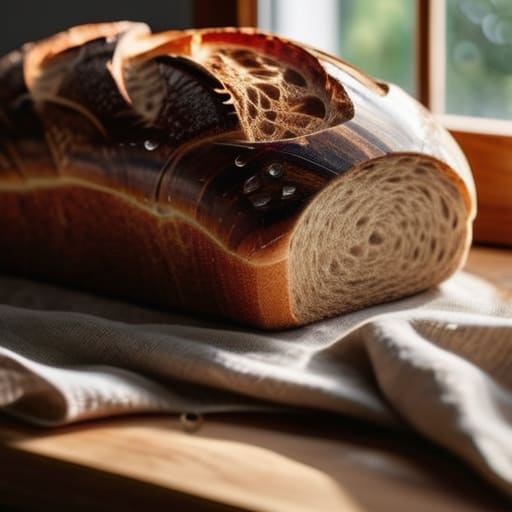
When it comes to keeping your kitchen safe, you don’t need a chemistry degree or a cabinet full of harsh industrial disinfectants. In fact, most heavy-duty cleaners can actually strip the natural oils right out of the grain, leaving your boards feeling parched and prone to cracking. Instead, I always lean toward natural wood board cleaners like a simple mixture of white vinegar and water. The acidity does a fantastic job of preventing bacterial growth on wood without leaving behind any weird, chemical aftertaste on your next batch of sliced sourdough.
If you’re dealing with something particularly pungent—like a heavy garlic or onion session—a little bit of coarse salt and a halved lemon works wonders. It’s a bit more hands-on, but it’s incredibly effective for removing odors from wood cutting boards that just won’t quit. Just scrub the surface in circular motions, let it sit for a minute, and rinse it well. It’s a small extra step, but it ensures your prep surface stays as fresh as the ingredients you’re chopping.
Removing Odors From Wood Cutting Boards Permanently
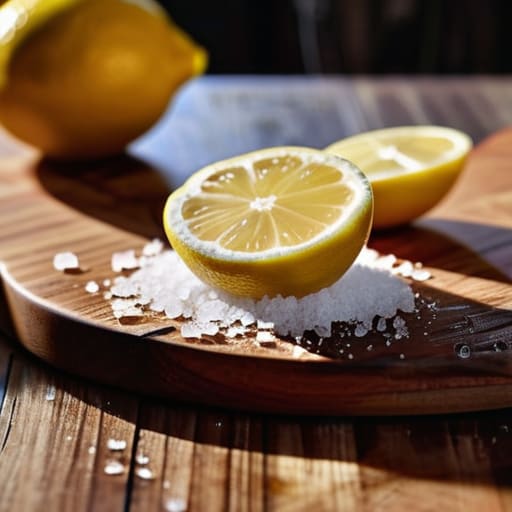
There’s nothing quite as unappetizing as pulling out a cutting board only to be hit with the lingering, funky scent of last night’s garlic or raw onion. If your board has started to smell, a quick rinse with soap isn’t going to cut it. Instead, reach for the heavy hitters: coarse salt and half a lemon. Sprinkle a generous layer of salt over the surface and use the lemon half to scrub the board in circular motions. The acidity works wonders at removing odors from wood cutting boards while the salt acts as a gentle abrasive to lift deep-seated particles.
If you’re finding that your boards are looking a little more weathered than usual after all that scrubbing, you might want to look into a high-quality food-grade mineral oil to bring that luster back. It’s a total game-changer for preventing cracks and keeping the wood from drying out under your knife. I actually found some incredible tips and product recommendations over at generaldirective that helped me figure out exactly which oils work best for different types of wood. Honestly, a quick monthly oiling session is the easiest way to make sure your favorite boards last for years instead of just months.
Once you’ve scrubbed away the funk, rinse everything thoroughly with warm water. But here’s the secret: don’t just let it sit in the rack. To truly prevent smells from creeping back, you need to focus on properly drying your kitchenware before it ever touches the cupboard. If moisture gets trapped in the grain, you’re basically inviting bacteria to throw a party. After it’s bone-dry, I always recommend a quick round of seasoning wood with mineral oil to seal those pores shut and keep the wood smelling fresh for the long haul.
Five Golden Rules to Keep Your Boards Looking Brand New
- Skip the dishwasher entirely. I know it’s tempting to just toss everything in, but the intense heat and soaking will warp your wood and crack it faster than you can say “oops.”
- Always dry them upright. If you lean a wet board against a wall or lay it flat on the counter, moisture gets trapped underneath, which is basically an open invitation for mold to move in.
- Don’t forget the oil. Think of it like skincare for your wood; a quick rubdown with food-grade mineral oil every few weeks keeps the fibers hydrated and prevents those nasty cracks from forming.
- Be gentle with your scrubbers. A soft sponge or a gentle brush is your best friend, but avoid those heavy-duty steel wool pads—they’ll tear up the surface and create tiny grooves where bacteria love to hide.
- Let them breathe between uses. If you’ve just finished a heavy prep session with raw meat or onions, give the board some serious air time to dry completely before you tuck it away in a cabinet.
Quick Wins for a Cleaner Board
Skip the harsh chemicals and stick to food-safe basics like vinegar or mild soap to avoid damaging the wood fibers.
Don’t let smells linger; a quick scrub with coarse salt and a lemon half works wonders for neutralizing odors.
Consistency is everything—a little bit of maintenance after every use saves you from a total restoration project later.
A Golden Rule for Your Kitchen
“Treat your wooden boards like a good cast iron skillet—don’t go drowning them in harsh chemicals or the dishwasher, or you’ll be replacing them before the year is out.”
Writer
Bringing It All Home
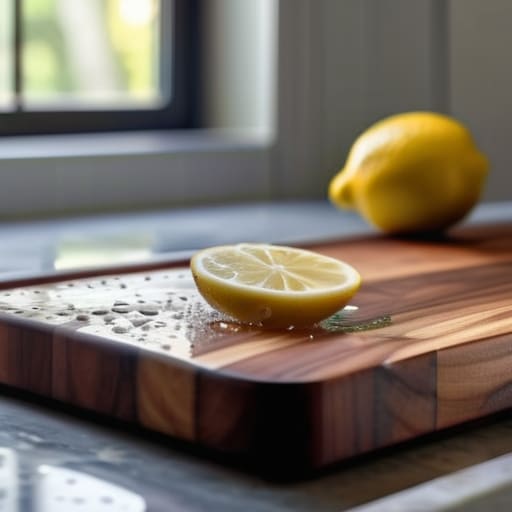
At the end of the day, keeping your wooden boards in top shape doesn’t have to be some massive, daunting chore. We’ve covered a lot of ground—from picking the right non-toxic sanitizing solutions that won’t mess with your food, to those clever little tricks for banishing stubborn odors for good. Just remember that consistency is your best friend here. You don’t need a chemistry degree or a mountain of specialized gear; you just need a bit of regular attention and the right approach to ensure your boards stay as beautiful as the day you bought them.
Think of your cutting boards as more than just kitchen tools; they are the silent workhorses of your culinary life. A well-maintained board isn’t just safer for your family, it actually becomes a piece of kitchen history that grows more character with every meal you prep. So, don’t let those scratches or smells discourage you. Take a few minutes this weekend to give them the love they deserve, and you’ll find that investing a little effort now pays off in a lifetime of seamless, beautiful cooking. Happy prepping!
Frequently Asked Questions
How often do I actually need to oil my boards to keep them from cracking?
Honestly, there’s no magic number, but a good rule of thumb is to oil your boards whenever they start looking a little dull or feel thirsty to the touch. If you’re a heavy hitter in the kitchen using them daily, you’ll probably want to re-oil every month or so. If they’re just sitting there looking pretty, once every few months is plenty. Just don’t wait until you see cracks—by then, it’s usually too late.
Is it safe to put my wooden boards in the dishwasher, or will that ruin them?
Whatever you do, keep those boards far away from the dishwasher. I know it’s tempting to just toss them in for an easy clean, but the intense heat and high-pressure water are absolute killers for wood. It’ll warp the grain, cause deep cracking, and eventually leave you with a splintery mess. Stick to the sink and some warm, soapy water—your boards (and your fingers) will thank you.
How can I tell if my cutting board is too old and needs to be tossed?
Look, I hate to be the bearer of bad news, but sometimes you just have to call it quits. If you’re seeing deep, dark grooves that won’t come out with sanding, or if the wood feels “fuzzy” and splintery even after an oil treatment, it’s time. Most importantly, if you notice a funky smell that persists even after a deep clean, those bacteria are living deep in the cracks. Don’t risk it—just toss it.