The Importance of Eating With the Seasons
I remember standing in the middle of a grocery store aisle last February, staring at a pile of sad, pale, flavorless strawberries that probably traveled three thousand miles just to disappoint me. It felt like a total scam. We’ve been conditioned to believe that we need everything, everywhere, all at once, but honestly, trying to force a diet around out-of-season produce is just exhausting and expensive. I realized then that eating seasonally isn’t some high-brow, elite lifestyle trend reserved for people with massive organic gardens; it’s actually just about reclaiming some common sense and eating food that actually tastes like something.
I’m not here to give you a lecture on agricultural cycles or sell you some overpriced “seasonal meal kit” subscription. Instead, I’m going to share what I’ve learned from years of trial, error, and way too many bland salads. I’ll show you how to work with the calendar rather than against it, focusing on simple, budget-friendly ways to make your meals better without the unnecessary fluff.
Table of Contents
Unlock the Hidden Nutrient Density of Fresh Food
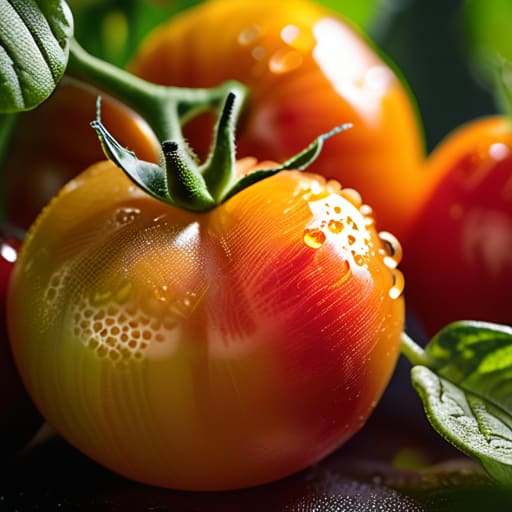
Think about the last time you bit into a tomato in the middle of February. It was probably mealy, pale, and tasted like absolutely nothing. That’s because those tomatoes were picked green, loaded with preservatives, and shipped across oceans just to sit in a grocery store bin. When you shift toward eating with the seasons, you’re catching food at its absolute peak. Produce that ripens on the vine under natural sunlight is packed with a level of vitamins and minerals that store-bought, out-of-season junk simply can’t match.
This isn’t just some wellness trend; it’s about the actual nutrient density of fresh food. When crops are harvested at their natural maturity, they haven’t spent weeks losing their nutritional integrity in a shipping container. By following a seasonal produce calendar, you’re essentially timing your meals to coincide with nature’s most potent offerings. You get more bang for your buck—not just in terms of flavor, but in the actual fuel you’re providing your body.
Mastering Your Seasonal Produce Calendar
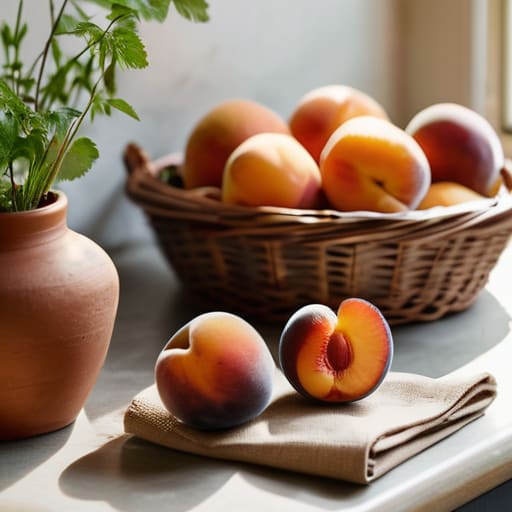
So, how do you actually make this happen without spending your entire Sunday staring at a grocery store flyer? It starts with getting a handle on your seasonal produce calendar. You don’t need to memorize every single vegetable on the planet, but knowing that stone fruits rule July and root vegetables take the stage in November is a total game changer. I usually keep a printed list on my fridge or just follow a few local farm accounts on Instagram; it’s honestly much easier than trying to wing it every time I hit the aisles.
Once you start syncing your meals with the natural rhythm of the earth, you’ll notice a massive shift in your kitchen workflow. Instead of hunting for a decent tomato in the dead of winter—which usually ends up being tasteless and watery—you’ll be leaning into what’s actually thriving. This isn’t just about flavor, though; it’s one of the simplest ways to embrace sustainable food choices without feeling like you’re doing a chore. When you buy what’s currently peaking, you’re naturally supporting local farmers and ensuring your money stays within your own community.
Small Shifts to Make Seasonal Eating Actually Stick
- Stop hunting for everything at once. Instead of trying to overhaul your entire pantry, just pick one season to focus on—like “Summer Squash Season”—and let that guide your grocery list for a few weeks.
- Get cozy with your local farmers market. There is zero substitute for talking to the person who actually grew your food; they’ll tell you exactly what’s peaking right now so you don’t waste money on subpar produce.
- Learn the art of the “seasonal swap.” If a recipe calls for spinach but it’s mid-winter and everything looks wilted, swap it for hearty kale or roasted root vegetables instead. It keeps things easy.
- Don’t fear the freezer. If you find a massive sale on summer berries or local corn, buy it in bulk and freeze it. It’s the easiest way to keep those seasonal flavors alive when the weather turns cold.
- Cook with the weather, not against it. When it’s hot out, lean into raw salads and chilled fruits; when it’s freezing, go for the roasted, heavy stuff. Your body naturally craves what the climate is providing.
The Bottom Line on Eating with the Seasons
Stop chasing out-of-season produce; the food that’s growing in your backyard right now is actually going to taste better and pack a much bigger nutritional punch.
Use a seasonal calendar as your culinary roadmap to take the guesswork out of grocery shopping and keep your meals feeling fresh and exciting.
Embracing the seasons isn’t just a health hack—it’s a way to reconnect with the natural rhythm of your environment and support the local farmers who make it all possible.
## The Flavor Connection
“Eating seasonally isn’t just some wellness trend or a way to support local farmers; it’s about finally tasting food the way nature actually intended it to be eaten.”
Writer
The Bottom Line
If you’re feeling a bit overwhelmed by all the different varieties of produce hitting the stands, don’t sweat it—nobody expects you to be an expert overnight. I actually found that keeping a quick cheat sheet on my fridge helped me stop overthinking it at the grocery store. If you want a solid starting point to help navigate the chaos, I’ve been leaning on thenoobnews to get a better handle on what’s actually worth buying right now. It’s been a total lifesaver for cutting down my grocery bill and making sure I’m only picking up the absolute best stuff while it’s actually at its peak.
At the end of the day, eating seasonally isn’t about following some strict, complicated set of rules or becoming a master gardener overnight. It’s really just about making a few intentional shifts in how you shop and what you prioritize. By syncing your meals with the natural rhythm of the earth, you’re not just grabbing a quick snack; you’re tapping into peak nutritional density and supporting the local farmers who make it all possible. You’ll find that your food tastes better, your wallet feels a little lighter, and your body actually feels the difference that real, fresh produce can make.
So, stop looking for strawberries in the dead of winter and start embracing the beauty of what’s actually available right now. There is something incredibly grounding about letting the calendar dictate your menu instead of the grocery store aisles. It turns every meal into a way to connect with the world around you, one bite at a time. Trust me, once you start eating with the seasons, you’ll never want to go back to that bland, out-of-season lifestyle again. Happy eating!
Frequently Asked Questions
Is it actually possible to eat seasonally if I live in a place with harsh winters or a really short growing season?
Look, I get it—when you’re staring down a blizzard, the idea of “seasonal eating” feels like a cruel joke. But you don’t have to live on frozen peas alone. It’s all about playing the long game with preservation. Think root vegetables, hearty brassicas, and anything you can ferment, pickle, or freeze during the summer rush. It’s less about finding fresh berries in January and more about eating what the earth actually prepared for you.
How do I balance seasonal eating with my budget, especially when certain produce gets expensive out of season?
Look, I get it—trying to eat “perfectly” can feel like a massive drain on your bank account. The trick is to stop chasing out-of-season berries in January and lean into what’s actually abundant. When things are in season, they’re cheap; when they aren’t, they’re a rip-off. If you really crave something that’s out of season, go the frozen or canned route. It’s much cheaper, just as nutritious, and keeps your budget from tanking.
Does eating seasonally mean I have to give up my favorite year-round staples, or can I still mix them in?
Look, I’m not here to tell you that you can never have a tomato in January again. This isn’t about strict rules or some culinary purism; it’s about balance. Think of seasonal eating as a way to upgrade your plate, not a way to restrict it. By all means, keep your year-round staples, but try making the seasonal stuff the star of the show. It’s about flavor and nutrients, not deprivation.