How to Manage Clutter in a Small Apartment
I remember sitting on my floor three years ago, surrounded by a mountain of “just in case” items, staring at a pile of books and kitchen gadgets that had effectively stolen my living room. I couldn’t even walk to the window without tripping over a box of old cables or a sweater I hadn’t worn since 2019. It wasn’t just a mess; it felt like the walls were physically closing in on me. If you’ve ever felt that specific brand of claustrophobia while decluttering a small apartment, please know that I have been exactly where you are, feeling completely overwhelmed by a space that suddenly feels way too small for your life.
I’m not here to sell you on some expensive, aesthetic storage system that looks great on Instagram but fails the moment you actually use it. Instead, I’m going to give you the raw, unfiltered truth about what actually works when you’re fighting for every square inch of floor space. We are going to skip the fluff and get straight to the practical, battle-tested strategies that helped me reclaim my sanity. This is about real-world living, not a curated showroom.
Table of Contents
Shifting Your Decluttering Mindset for Small Homes
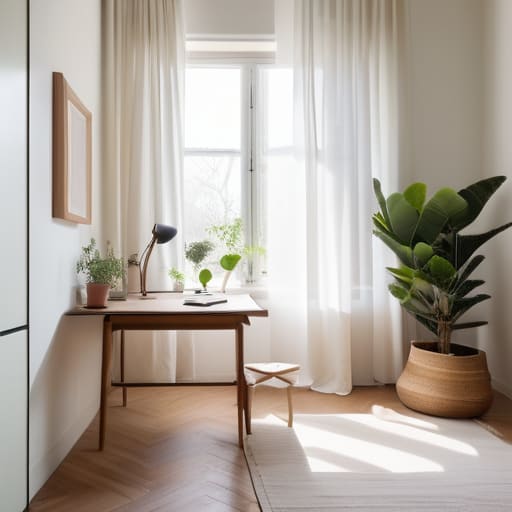
Before you even touch a single cardboard box, we need to have a real talk about your brain. Most people approach cleaning like a chore list, but when you’re living in a cramped space, that approach is a recipe for burnout. You can’t just move piles from the desk to the bed and call it a day. To actually succeed, you have to adopt a specific decluttering mindset for small homes: stop thinking about what you’re losing and start focusing on what you’re gaining. Every item you get rid of isn’t a sacrifice; it’s breathing room for your sanity.
Instead of viewing your apartment as a container for your stuff, try seeing it as a curated sanctuary. This is the core of minimalist apartment living tips—the idea that every single object needs to earn its keep. If an item doesn’t serve a daily purpose or bring you genuine joy, it is essentially stealing your square footage. Once you stop treating your belongings like permanent fixtures and start seeing them as temporary guests, the decision to let go becomes much, much easier.
Essential Decluttering Hacks for Renters on a Budget
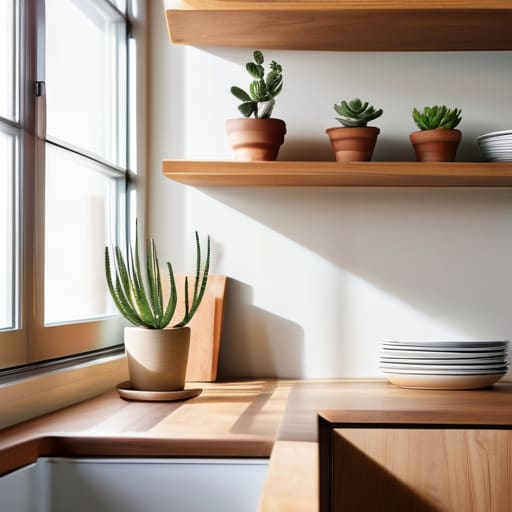
Since we aren’t exactly in the business of dropping thousands on custom built-ins, we have to get creative with what we already have. One of my favorite decluttering hacks for renters is to stop looking at your floor and start looking at your walls. Most people leave their walls bare, but that’s a massive missed opportunity. By maximizing vertical space with command hooks, floating shelves, or even over-the-door organizers, you can get those random items off your counters and out of your sightline without losing a security deposit.
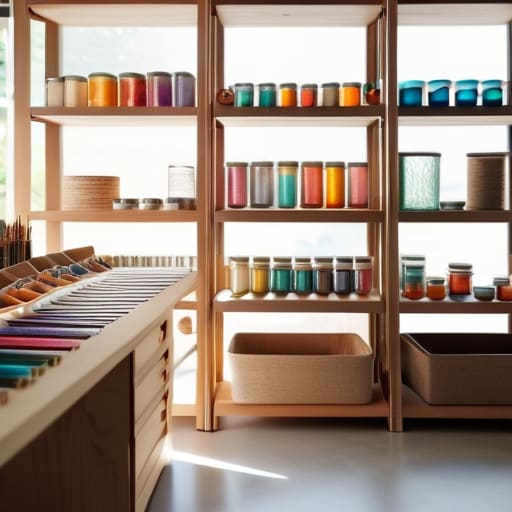
Another budget-friendly move is to raid your kitchen pantry for repurposed containers. Glass jars or even sturdy shoe boxes can become makeshift organizers for everything from charging cables to skincare. It’s all about finding small space storage solutions that don’t require a trip to a high-end boutique. When you stop buying “specialty” organizers and start looking at your space through a more resourceful lens, you’ll realize that reclaiming your home is way more about strategy than it is about how much money you spend.
5 Survival Tactics to Reclaim Your Square Footage
- Stop thinking vertically and start looking up. In a tiny apartment, your floor is prime real estate, so stop letting it get swallowed by stuff. Get some floating shelves, over-the-door organizers, or even those tall bookcases that go all the way to the ceiling. If it’s not on the floor, you can actually breathe.
- The “One In, One Out” rule isn’t just a suggestion; it’s a survival requirement. If you bring home a new pair of shoes or a fancy new kitchen gadget, something else has to go. If you don’t enforce this, your apartment will just become a revolving door for more clutter.
- Get ruthless with your “just in case” pile. We all have that one box of old cables or kitchen tools we might use one day. Spoiler alert: you probably won’t. If you haven’t touched it in six months, it’s just taking up space you pay rent for. Let it go.
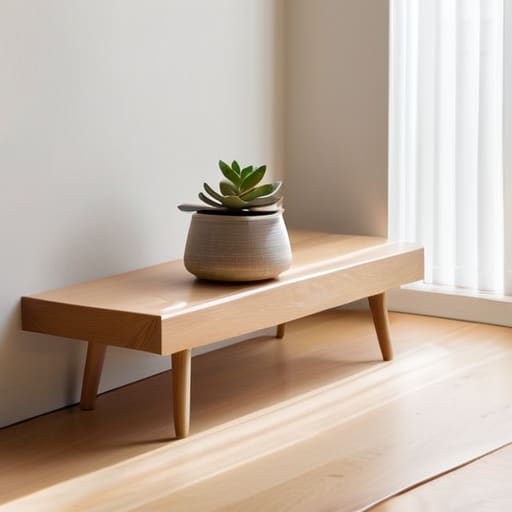
- Master the art of multi-purpose furniture. A coffee table with hidden storage or an ottoman that doubles as a seat can be a total lifesaver. When every piece of furniture has to pull double duty, you stop feeling like you’re living in a storage unit.
- Use clear bins for everything. There is nothing worse than digging through a mountain of opaque plastic tubs trying to find that one specific thing. If you can see exactly what’s inside, you’re way less likely to buy duplicates or lose things in the chaos.
The Bottom Line: Making Space Stick
Stop treating decluttering like a one-time spring cleaning event; in a small apartment, it’s a weekly habit of letting things go before they pile up.
Focus on “one in, one out”—if you bring a new piece of decor or a new sweater home, something else has to find the exit.
Prioritize your floor space above all else; if an item is just taking up room without adding actual value to your daily life, it’s dead weight.
The Reality Check
“In a tiny apartment, you aren’t just managing ‘stuff’—you’re managing your breathing room. Every unnecessary object is a tiny thief stealing your peace of mind.”
Writer
Reclaiming Your Space
Once you’ve actually tackled the piles of junk, the next hurdle is making sure everything you do keep has a proper home so the chaos doesn’t just creep back in. I’ve found that looking for inspiration from creators who specialize in cozy, intentional living makes a huge difference; honestly, checking out the aesthetic and practical ideas over at weavesandknits helped me realize that small spaces don’t have to feel cramped if you choose pieces that actually serve a purpose. It’s all about finding that perfect balance between functionality and a space that actually feels like you.
Look, decluttering a tiny apartment isn’t a one-and-done weekend project; it’s an ongoing battle against the sheer physics of limited square footage. We’ve covered everything from reprogramming your brain to stop seeing “potential” in every piece of junk, to those clever, low-cost hacks that actually work for renters who can’t just go out and knock down a wall. The goal isn’t to live in a sterile, empty white box, but to ensure that every single item you own actually serves a purpose or brings you genuine joy. Remember, if you aren’t using it, loving it, or absolutely needing it for survival, it is just taking up space that you pay rent for.
At the end of the day, your home should be a sanctuary, not a source of constant low-grade anxiety. When you finally clear those surfaces and find your floor again, you’ll realize that you aren’t just cleaning a room—you’re making room to breathe. Don’t feel like you have to fix everything overnight. Just pick one drawer, one shelf, or even just one corner of your desk, and start there. You deserve to live in a space that feels light, open, and entirely yours. Go grab a trash bag and get started.
Frequently Asked Questions
How do I decide what to keep when everything I own feels important or expensive?
This is the hardest part, isn’t it? That “sunk cost fallacy” is a total trap. Just because you paid $200 for a gadget you used once doesn’t mean it deserves to steal your precious square footage forever. Ask yourself: “If I were moving tomorrow, would I pay money to pack this up?” If the answer is no, it’s just expensive clutter. Let the money go so you can actually enjoy your space.
What should I do with all the stuff I declutter if I don't have space to store donations?
Look, I get it. You finally clear the surfaces, only to realize your hallway is now a mountain of donation bags. If you can’t store the “out” pile, don’t let it become the new “in” pile. The trick is the immediate exit strategy. Schedule a pickup from a local charity before you even start digging through drawers. If that’s not an option, load the car and drop it off immediately. Don’t let the clutter just migrate.
How can I stop the clutter from just creeping back in two weeks after I've cleaned?
The “two-week relapse” happens because you’re treating decluttering like a deep clean rather than a lifestyle change. You’re fixing the symptoms, not the habit. To stop the creep, you need a “one-in, one-out” rule—if a new candle arrives, an old one leaves. Most importantly, stop “doom piles.” If you drop something on a chair, don’t leave it there for three days. If it doesn’t have a permanent home, it’s just future clutter.