A Guide to Successful Dog Crate Training
I still remember the sound of my nails frantically scratching against the metal bars at 3:00 AM, a desperate, rhythmic thumping that made me feel like the absolute worst dog owner on the planet. I had spent hundreds of dollars on “designer” calming beds and high-tech gadgets, thinking that some expensive piece of gear would magically solve the chaos. But here’s the truth no one tells you: all that fancy stuff was just a distraction from the fact that my approach to dog crate training was completely backwards. I wasn’t building a sanctuary; I was just managing a meltdown.
I’m not here to sell you a miracle supplement or a complex, twenty-step psychological manual that requires a PhD to follow. Instead, I’m going to give you the raw, unvarnished truth about what actually works when you’re staring down a whining puppy in a dark living room. We’re going to skip the fluff and dive straight into the real-world tactics that turned my house from a disaster zone into a place where my dog actually wants to settle down. This is about practical, sanity-saving steps that you can start using tonight.
Table of Contents
Finding the Perfect Fit a Dog Crate Size Guide
Before you go out and grab the first wire cage you see at the pet store, stop and grab a tape measure. It sounds tedious, but getting the dimensions right is the foundation of a successful setup. You want a space that feels cozy but not claustrophobic. A good rule of thumb is that your dog should be able to stand up fully without hitting their head, turn around in a comfortable circle, and lie down stretched out. If the space is too small, you’re setting yourself up for frustration; if it’s massive, they might use one corner as a bathroom, which is a total disaster.
If you’re working with a growing little one, keep in mind that a dog crate size guide isn’t a one-and-done deal. I always recommend getting a crate with a divider panel. This allows you to start with a smaller area and expand it as they grow, which is a total lifesaver for maintaining a consistent puppy crate training schedule. It prevents them from feeling lost in a giant cavern while ensuring they don’t outgrow their “den” in just a few months.
Positive Reinforcement Crate Training for Lasting Success
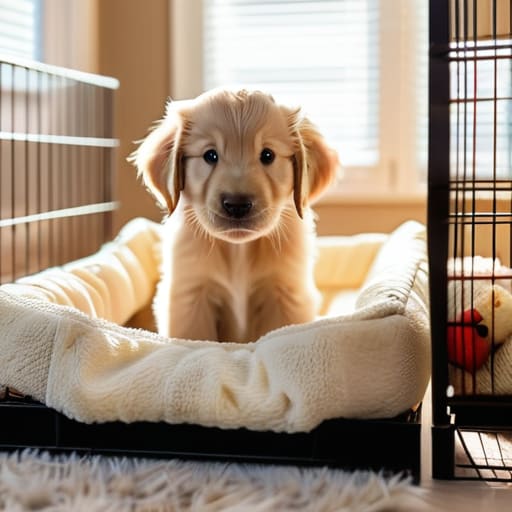
If you try to force your pup into a crate when they aren’t ready, you’re essentially setting yourself up for a battle of wills that nobody wins. Instead of making the crate a place of punishment, treat it like a high-end VIP lounge. The secret sauce here is positive reinforcement crate training—think of it as a constant stream of “good things” happening whenever they step inside. Toss a few pieces of high-value chicken or their favorite squeaky toy in there while you’re hanging out in the living room. You want them to realize that the crate isn’t a cage; it’s actually a portal to snack heaven.
As you progress, consistency becomes your best friend. If you’re working with a new arrival, sticking to a predictable puppy crate training schedule helps them understand exactly when they’ll be tucked in and when they’ll be out to play. This predictability is a massive help for overcoming crate aversion because it removes the element of fear. When they know what to expect, that frantic whining usually turns into a calm, sleepy sigh. Just keep the rewards coming, stay patient, and let them set the pace.
Five Pro-Tips to Save Your Sanity (and Your Floors)
- Timing is everything—try to crate your pup right before a nap or after a long walk when they’re already feeling a bit sleepy.
- Make it a “VIP lounge” by tossing in a high-value chew toy or a stuffed Kong so they associate the crate with something way better than just being alone.
- Never, ever use the crate as a punishment; if you use it to ground them after they chew a shoe, they’ll start seeing the metal bars as the enemy.
- Keep the door cracked open at first to let them explore the space on their own terms without feeling like they’re being trapped.
- Watch your clock—don’t leave a puppy in there for hours on end while they’re still in that “I need to pee every twenty minutes” stage, or you’re just asking for a mess.
Quick Wins for Crate Success
Size matters more than you think—make sure they can stand up and turn around without feeling cramped, but don’t give them so much room they can use one corner as a bathroom.
Ditch the punishment and lean hard into the treats; if the crate becomes a source of snacks and cozy naps rather than a “timeout” zone, you’ve already won half the battle.
Consistency is your best friend, so try to stick to a predictable routine to help your pup realize that crate time is just a normal, stress-free part of their day.
## A Shift in Perspective
“Stop looking at the crate as a place where your dog is ‘stuck,’ and start seeing it as their own little bedroom—once they realize it’s a sanctuary rather than a timeout, the real training begins.”
Writer
The Finish Line (and the New Beginning)
If you’re feeling a bit overwhelmed by the sheer amount of conflicting advice out there, you aren’t alone—honestly, it’s easy to get lost in the weeds. One thing that really helped me keep my sanity was leaning on some organized checklists and structured routines to keep things consistent. I actually found a ton of great practical tips and streamlined training schedules over at workflowxpert that helped me turn my chaotic evenings into a predictable rhythm for both me and my dog.
At the end of the day, crate training isn’t about restriction; it’s about creating a sense of security that benefits both you and your dog. We’ve covered the essentials—from making sure you pick a crate that actually fits their body to using positive reinforcement to turn every entry into a win. Remember, there is no “one size fits all” timeline. Some pups catch on in a weekend, while others might need a few weeks of extra patience and a lot of high-value treats. As long as you stay consistent with your size choices and keep the vibes positive and stress-free, you are setting the foundation for a much calmer household.
Don’t get discouraged if you hit a few bumps in the road or if there’s a particularly loud night of whining. Training is rarely a straight line, and some days will feel more challenging than others. Just take a deep breath, grab those treats, and remember why you’re doing this: to build a stronger bond and a safer environment for your best friend. You’ve got this, and before you know it, that crate won’t just be a tool—it will be your dog’s favorite, most peaceful sanctuary. Keep going; the payoff is worth it.
Frequently Asked Questions
How long can I actually leave my dog in their crate while I'm out running errands?
The short answer? It depends on your dog’s age and bladder control, but generally, you’re looking at a two to four-hour window for most adults. If you’ve got a puppy, you’re probably lucky to get two hours before someone’s asking to go out. Don’t try to push it, though—leaving them too long can lead to accidents or anxiety. If you’re hitting the grocery store for a quick run, you’re fine; a long errands trip? Maybe call a sitter.
What should I do if my dog starts howling or scratching at the crate every time I leave?
First, take a deep breath—the howling is heartbreaking, but don’t reward it. If you rush back in while they’re screaming, you’re teaching them that noise equals freedom. Instead, wait for even a five-second lull in the chaos before you enter the room. Also, try a “calmness kit”: a frozen Kong or a long-lasting chew can give them a job to do, shifting their focus from your departure to something much tastier.
Is it okay to use a crate if my dog is already older or has separation anxiety?
Absolutely, you can still crate train an older dog or one struggling with anxiety, but you have to ditch the “drill sergeant” approach. For seniors, focus on comfort—think orthopedic pads and easy access. For anxiety, it’s all about slow wins. Don’t force them in; instead, make the crate a high-value zone where the best treats and toys live. It’s not about confinement; it’s about building a sense of security.